Poison Ivy Rash: What to Do, What to Avoid, and When to Get Medical Care
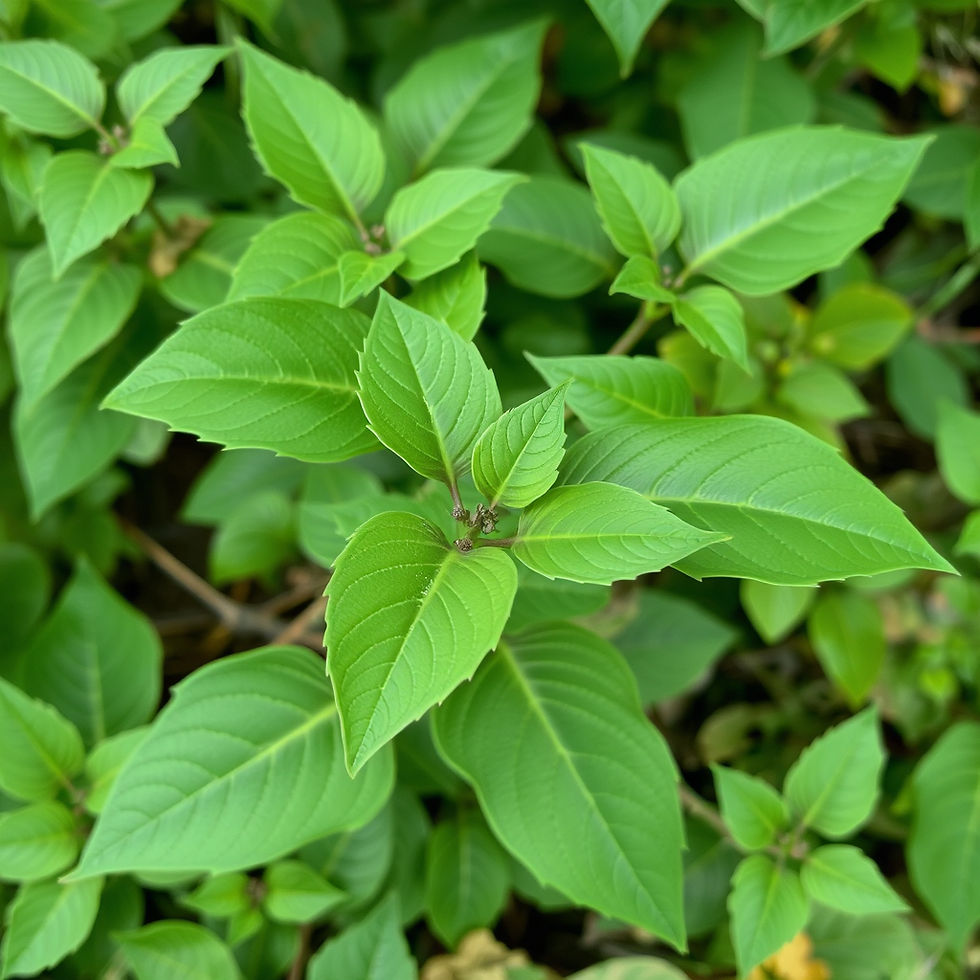
Poison Ivy
Poison ivy is a common cause of an itchy skin rash, especially after outdoor activities such as yard work, gardening, hiking, camping, or playing outside. The rash is caused by contact with an oily plant resin called urushiol, which can be found on poison ivy, poison oak, and poison sumac.
For many people, poison ivy can be managed at home. However, some rashes become severe, widespread, infected, or involve sensitive areas of the body. In those cases, medical care may be needed.
What Does Poison Ivy Look Like?
A poison ivy rash often appears as:
Red, itchy skin
Small bumps or patches
Blisters
Swelling
Streak-like lines where the plant brushed against the skin
Oozing or crusting as blisters heal
The rash may not appear right away. It can develop hours to days after exposure. Poison ivy, oak, and sumac rashes often cause intense itching, redness, blisters, and crusting, and the rash may take 2 to 3 weeks to fully clear.
Is Poison Ivy Contagious?
The rash itself is not contagious from the blister fluid. You cannot “catch” poison ivy from someone’s rash.
However, the plant oil can spread if it is still on the skin, clothing, shoes, tools, gloves, pet fur, or outdoor equipment. That is why washing exposed skin and cleaning items after exposure is important.
What to Do Right Away After Exposure
If you think you touched poison ivy, poison oak, or poison sumac:
Wash the skin as soon as possible with soap and plenty of water.
Scrub under fingernails.
Wash clothing, towels, and gloves separately.
Clean shoes, tools, gardening equipment, sports gear, and pet fur if exposed.
Avoid scratching, which can irritate the skin and increase infection risk.
Rinsing exposed skin right away with rubbing alcohol, poison plant wash, degreasing soap such as dish soap, detergent, and lots of water. They also recommend cleaning under the nails because urushiol can remain there and spread to other areas.
When to Seek Medical Care
You should seek medical care if the rash:
Is on the face, eyelids, lips, or genitals
Covers a large area of the body
Is severe, swollen, or extremely itchy
Has many blisters
Is not improving with home care
Is spreading or worsening
Shows signs of infection, such as increasing redness, warmth, pain, pus, drainage, or fever
Is your first suspected poison ivy rash and you are unsure what it is
Schedule an appointment for medical evaluation when the rash is widespread, severe, possibly infected, uncertain in cause, or a first-time rash.
When to Go to Urgent Care or the ER
Seek urgent in-person care right away if you have:
Trouble breathing
Swelling of the face, eyes, lips, tongue, or throat
Rash around the eyes with significant swelling
Fever with a worsening rash
Severe pain
Rapidly spreading redness or warmth
Symptoms after smoke exposure from burning poison ivy plants
Never burn poison ivy, poison oak, or poison sumac. Inhaling smoke from these plants can cause serious breathing problems.
Can Telehealth Help With Poison Ivy?
Yes, telehealth may be appropriate for many mild to moderate poison ivy rashes. During a virtual visit, your provider may ask about:
When the rash started
Possible plant exposure
Where the rash is located
Whether there are blisters, swelling, pain, or drainage
Whether the rash involves the face, eyes, mouth, or genitals
Fever or signs of infection
Allergies, medical history, and current medications
What home treatments you have already tried
If appropriate, treatment may include prescription medication, symptom relief guidance, infection precautions, and instructions on when to seek in-person care.
Telehealth may not be appropriate if you have severe swelling, trouble breathing, eye involvement, severe infection symptoms, extensive rash, or symptoms that need hands-on evaluation.
How to Help Prevent Poison Ivy Rash
Prevention is key, especially if you spend time outdoors.
You can lower your risk by:
Learning to recognize poison ivy, poison oak, and poison sumac
Wearing long sleeves, long pants, gloves, socks, and closed shoes when doing yard work
Washing skin after outdoor exposure
Washing clothing and gear after hiking, gardening, or yard work
Using a barrier skin product before high-risk outdoor work when appropriate
Keeping pets away from wooded or overgrown areas where plants may be present
Protective clothing such as long sleeves, long pants, boots, and gloves, washing exposed clothing separately in hot water with detergent, and considering barrier skin creams such as bentoquatam before contact.
What This Means For You
Poison ivy can be extremely itchy and uncomfortable, but many mild cases improve with home care. Wash exposed skin and contaminated items as soon as possible, avoid scratching, and use soothing treatments for itch relief.
If the rash is severe, widespread, infected, on sensitive areas, or not improving, medical care may be needed.
At Your Best Life Medical eClinic, we provide convenient telehealth visits for adults in Virginia when skin concerns are appropriate for virtual care.
Concerned about a poison ivy rash? Schedule a telehealth visit today to discuss your symptoms and safe next steps.
This information is for educational purposes only and does not replace medical advice, diagnosis, or treatment. If you are experiencing a medical emergency, call 911 or go to the nearest emergency room.


Comments